
Political Risks for the Schools Industry
Schools in Australia are exposed to twelve identifiable political risks at any given time, from federal-state funding settlements to teacher workforce shortage, child safety frameworks, sexual misconduct exposure, curriculum politics, family violence affecting students, and the long politics of who is taught and by whom. Holding the register in view changes how principals, councils, boards, and teachers plan and protect.
Who this is for: principals, deputy principals, school leadership teams, classroom teachers, learning support staff, school counsellors and psychologists, school council members, school board members, parents and carers involved in school governance, multicultural education staff, First Nations education staff, queer and trans teachers, women teachers, migrant teachers, and anyone whose work runs through the education of children and young people in formal schooling.
About this register
Political risk in schools is rarely labelled as risk in the staff meeting. It arrives as a federal funding announcement that takes months to translate into operational change, a state government decision on curriculum or assessment, a child safety incident that escalates, a workforce departure that signals deeper conditions, a parent complaint that becomes a pattern, or a culture-war moment that reaches the staffroom from outside. The register below names twelve political pressures most schools are exposed to right now. Each entry sets out what the risk is, what it looks like at the school, who inside the workforce or student community is most exposed, and which way the political mood is moving on it.
This is a working register, not a definitive one. Government and non-government schools face different mixes. Primary and secondary face different mixes. Read what applies, leave what does not.
-
What it is: School funding sits at the intersection of federal and state contributions, with the Schooling Resource Standard and Gonski-era frameworks in continuous political contest. Funding settings shift across budget cycles and political compositions.
What it looks like in schools: A federal funding announcement reshapes per-student funding assumptions. State recurrent funding is recalibrated mid-cycle. Capital funding announcements affect what can be built or upgraded.
What is most exposed: Government schools serving lower-income communities. Non-government schools whose enrolment depends on funding-driven affordability. Smaller and regional schools without the financial buffers to absorb shifts.
What is moving: Federal-state funding politics is sustained and continuing. Schools that model multiple scenarios are better positioned than those who plan against a single forecast.
-
What it is: Teacher workforce shortage is structural across most Australian jurisdictions. State-level decisions on teacher pay, workload, registration, and migration shape who is available to teach and on what terms.
What it looks like in schools: A position is not filled despite repeated rounds. Mid-career teachers leave the profession. New graduates do not stay long enough to consolidate. Migrant teacher recognition takes years.
What is most exposed: Schools in regional and rural areas. Schools serving lower-income communities. Specialist subject areas with sharpest shortages. Smaller non-government schools without the resources to compete on conditions.
What is moving: National conversation about teacher conditions is rising. State-level reform is uneven. The shortage is unlikely to ease without significant change.
-
What it is: Child Safe Standards across states, mandatory reporting requirements, and the post-Royal Commission expectations on schools are politically and legally consequential. Failures generate criminal, civil, and regulatory exposure.
What it looks like in schools: A mandatory report is required and the response is unclear or delayed. A child safety incident triggers police, regulator, and Royal Commission-era expectations. A historical complaint surfaces.
What is most exposed: Smaller schools without child safety expertise on staff. Schools in transition where culture has not stabilised. Boarding schools and residential settings carrying additional exposure.
What is moving: Federal and state political and legal attention on child safety is sustained. The expectation is structural, not aspirational.
-
What it is: Sexual misconduct against students, including by teachers and other adults connected to schools, has been a focus of political and legal attention. Legal and reputational exposure for schools without strong prevention is rising sharply.
What it looks like in schools: An incident generates police, regulator, and media attention. A historical complaint surfaces. A pattern of incidents prompts board investigation.
What is most exposed: Schools without strong prevention policies. Smaller schools without resources for thorough vetting and supervision. Schools in transition where culture has not stabilised. Students themselves, particularly those in residential settings or with limited communication capacity.
What is moving: Federal and state political attention is intensifying. Legal exposure for schools that do not act is rising.
-
What it is: National and state curriculum decisions, including on Australian history, First Nations content, climate, and sex and relationships education, have become politically contested. Schools find themselves in the path of culture-war moments they did not generate.
What it looks like in schools: A curriculum decision generates parent objections that escalate. A teacher’s lesson on a politically charged topic attracts hostile attention. A school’s approach to particular curriculum areas is publicly questioned.
What is most exposed: Teachers delivering content that the political backlash is targeting. Schools committed to teaching First Nations history, climate science, and inclusive sex and relationships education. Principals navigating contested parent communities.
What is moving: Curriculum politics is contested federally and at state level. Backlash politics is intensifying. The risk for schools holding the line on teaching difficult material is real for the rest of the decade.
-
What it is: LGBTQ+ inclusion in schools is politically contested. Trans student support, queer-affirming practice, and inclusive curriculum face a global political backlash, while LGBTQ+ students face increasing risk in school environments.
What it looks like in schools: A trans student’s care and support generates parent or staff resistance. An LGBTQ+ inclusion program faces backlash. A queer or trans teacher faces personal harassment for inclusive practice.
What is most exposed: LGBTQ+ students themselves. Queer and trans teachers and staff. Schools committed publicly to inclusive practice. Smaller schools without HR or legal capacity to weather contested political moments.
What is moving: The backlash is global and intensifying. Schools that hold the line on inclusive practice are politically exposed but better positioned for the long term.
-
What it is: Family violence affecting students, often visible to teachers and school counsellors before anyone else outside the family, has become a focus of political and clinical attention. Schools are increasingly being asked to identify, respond to, and protect students.
What it looks like in schools: A teacher notices signs of family violence. A custody-related incident occurs at pickup. A school is drawn into court proceedings as a witness. A student discloses ongoing violence to a counsellor.
What is most exposed: Teachers and counsellors in long-running relationships with families. Schools serving families in crisis without specialist family violence training. Students themselves, particularly those in households where family violence is unaddressed.
What is moving: Political and policy attention on schools as a family violence intervention point is rising.
-
What it is: Australian schooling was designed without First Nations and multicultural communities centred. Political pressure to recognise community-controlled and culturally safe education, and to make mainstream schools genuinely culturally safe, is rising.
What it looks like in schools: An Aboriginal Education team faces resourcing pressure mainstream education does not. A multicultural school community asks for engagement that the school is not equipped to provide. A First Nations curriculum requirement is implemented unevenly across staff.
What is most exposed: First Nations and multicultural students in mainstream schools. Aboriginal Education staff carrying disproportionate cultural labour. Multicultural staff serving as informal community liaisons.
What is moving: Political attention on cultural safety is rising slowly. Closing the Gap targets and Indigenous education investment are sustained, but progress is uneven.
-
What it is: Disability inclusion frameworks are reshaping what is expected of schools. Pressure to provide genuine inclusion for students with additional needs is rising, alongside funding settlements that do not always meet need.
What it looks like in schools: A student with newly identified additional needs requires more support than funded inclusion arrangements cover. A complaint about inadequate inclusion practice generates regulator attention. A family raises concerns about exclusion.
What is most exposed: Schools without specialist inclusion expertise. Schools without strong relationships with allied health and disability advocacy. Students with disability and their families.
What is moving: Disability inclusion advocacy in education is rising. Political and legal pressure on schools is rising.
-
What it is: Teacher workforce conditions, including workload, behaviour management, parent communication, and the political pressures on the profession, produce significant mental health pressure. The political conversation about teacher wellbeing has intensified but conditions have not eased.
What it looks like in schools: A long-running teacher takes extended leave for mental health reasons. A pattern of departures from a particular school or year level suggests deeper conditions. Sentinel events surface workforce wellbeing concerns.
What is most exposed: Mid-career teachers carrying the heaviest load. Early-career teachers without institutional supports. Women teachers carrying disproportionate emotional labour. Teachers in schools with sustained behavioural challenges.
What is moving: Political attention is rising. Industrial pressure for better conditions is sustained.
-
What it is: School councils, boards, and governance bodies face political pressure on enrolment, funding, conduct, and reputation. Governance failures generate reputational and legal exposure.
What it looks like in schools: A governance dispute becomes a public matter. A council decision attracts community opposition. A board governance failure prompts external review.
What is most exposed: Smaller non-government schools dependent on board governance for strategic direction. Government school councils navigating contested community politics. Schools in transition.
What is moving: Public expectation on school governance is rising. Regulator and political attention on governance is sustained.
-
What it is: The political backlash against feminist, queer, trans, racial-justice, and First Nations recognition is reaching schools. Schools committed to inclusive practice face a politically contested moment, while schools that have not committed face increasing community expectation.
What it looks like in schools: A school’s commitment to inclusive practice attracts hostile attention. A First Nations cultural practice in the program is questioned by some families. A teacher faces personal harassment for inclusive teaching.
What is most exposed: Teachers from communities the backlash targets. Schools with publicly inclusive positioning. Students from marginalised families.
What is moving: The backlash is global and intensifying. The risk is real for the rest of the decade.
How to monitor these risks
Take in a quarterly review of your child safety practice, your inclusion practice, and your community engagement. The register does not stay still.
Map out workforce wellbeing data and patterns of teacher departure. Patterns become visible only when surfaced.
Wire up your relationship with First Nations advocacy, multicultural community organisations, and disability advocacy in your area. Genuine relationships outlast individual incidents.
Reach into your school council or board with the political reading of your conditions. Treating the register as governance material, not just operational, gets the politics into the right rooms.
Catalogue at least one intersectional feminist source on education alongside your trade reading. Mainstream education commentary often misses how race, class, gender, and migration shape both workforce and student experience.
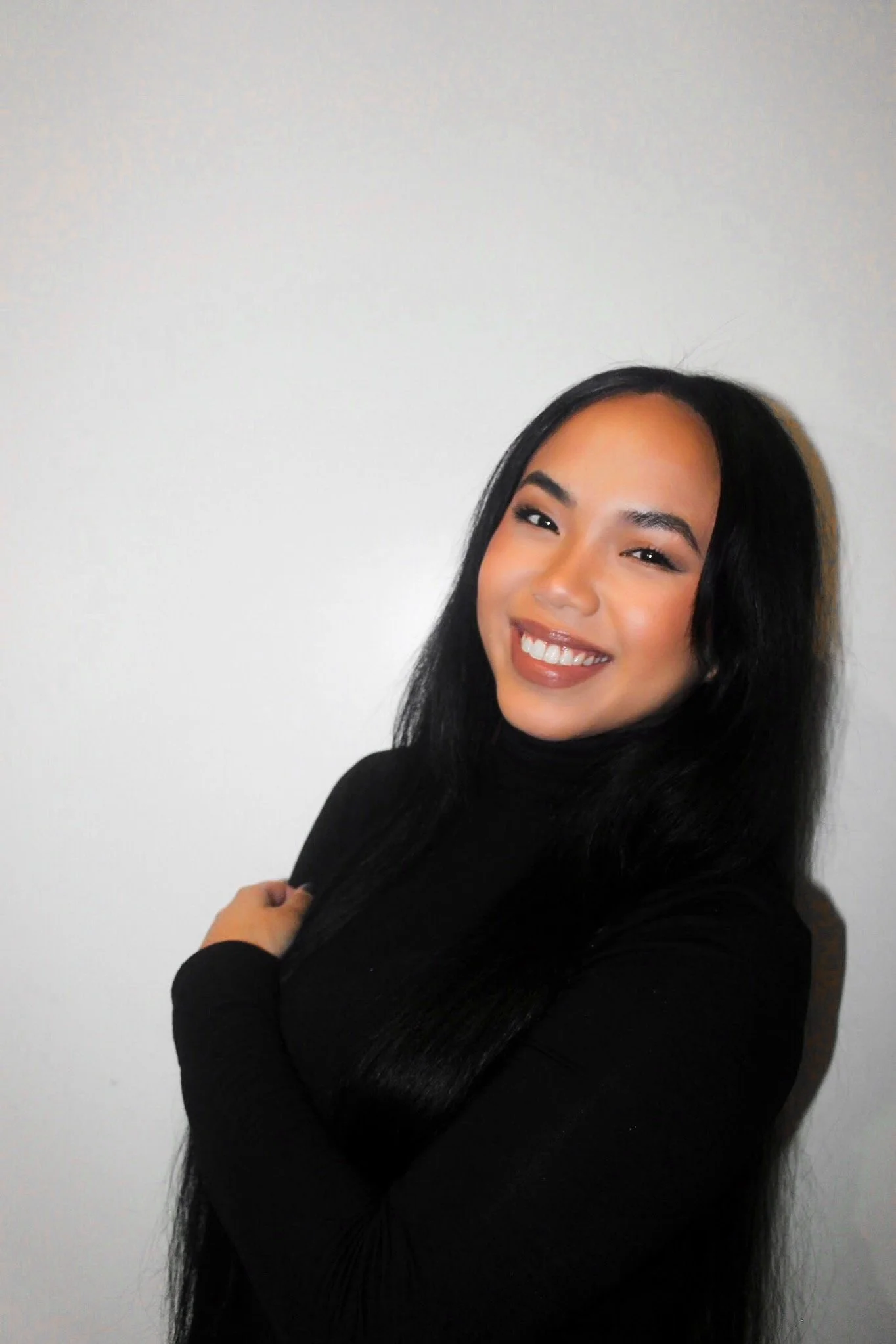
How I can help you
I work with principals, leadership teams, school councils, boards, classroom teachers, and education staff through risk register reviews, ongoing political watch arrangements on the two or three risks most exposed in your school, and mentoring for emerging school leaders.
About me
My name is Liv. I’m a civic and political adviser based in Melbourne, Australia. With over 20 years of advocacy experience spanning community service, elected office, and research, I help people make sense of political pressures around them and act with more clarity and confidence.